


Boneless Lamb Shoulder Tharid Stew Recipe
Succulent lamb shoulder bathes in a richly spiced broth with sweet butternut squash and tender gourd, creating layers of comforting flavour that'll have everyone coming back for seconds. The torn barley bread soaks up all that gorgeous liquid, becoming soft and flavourful. Learn how to make this traditional one-pot wonder!
Ingredients
- For the stew:
- 600g lamb shoulder, cut into 3cm chunks with excess fat trimmed
- 3 tablespoons butter, divided
- 2 large onions, finely diced (about 300g)
- 4 large cloves garlic, finely minced
- 2 medium carrots, peeled and cut into 2cm chunks
- 300g butternut squash, peeled and cut into 3cm cubes
- 250g gourd, or courgette if unavailable - cut into 2cm half-moons
- 3 medium ripe tomatoes, quartered
- 1 litre lamb or chicken stock, or good quality stock cubes dissolved in boiling water
- 2 teaspoons ground coriander
- 1½ teaspoons ground turmeric
- 1 teaspoon fine sea salt, plus extra to taste
- ½ teaspoon freshly ground black pepper
- 4 whole green cardamom pods, lightly crushed
- 3 whole cloves
- 2 bay leaves
- For serving:
- 4 large pieces barley bread, torn into rough 5cm pieces (or wholemeal flatbread if barley unavailable)
- Large handful fresh coriander, roughly chopped (about 25g)
- Extra butter for drizzling (optional)
Directions
Step 1
Heat 2 tablespoons of butter in a large, heavy-bottomed pot or Dutch oven over medium-high heat until it melts and starts to foam gently, about 1 minute. Pat the lamb chunks completely dry with paper towels (this is crucial for getting a proper golden crust), then season generously with salt and pepper. Working in two batches to avoid overcrowding, add the lamb pieces in a single layer and let them sear undisturbed for 3-4 minutes until deeply golden brown on the bottom. Turn each piece and brown the other sides for another 3-4 minutes. Don't rush this step as the caramelised bits will add incredible depth of flavour to your stew. Transfer the browned lamb to a plate and set aside.
Step 2
Reduce the heat to medium and add the remaining tablespoon of butter to the same pot, scraping up all those beautiful browned bits from the bottom with a wooden spoon. Add the diced onions with a pinch of salt and cook for 8-10 minutes, stirring occasionally, until they're soft, golden, and starting to caramelise around the edges. The onions should smell sweet and have reduced by about half. This patient cooking builds the flavour foundation of your tharid, so don't be tempted to rush it.
Step 3
Stir in the minced garlic, ground coriander, turmeric, crushed cardamom pods, and cloves, and cook for 1-2 minutes until the spices smell absolutely incredible and aromatic. You'll know it's ready when the raw garlic smell transforms into something warm and inviting. Add the quartered tomatoes and cook for 3-4 minutes, breaking them up slightly with your spoon, until they start to soften and release their juices. This creates a gorgeous spiced tomato base that'll coat everything beautifully.
Step 4
Return the browned lamb and any accumulated juices to the pot, then pour in the stock. Add the bay leaves, bring everything to a gentle boil over medium-high heat, then immediately reduce to a very low simmer. Cover the pot with a lid slightly ajar (this allows some steam to escape whilst keeping most of the moisture in) and let it cook gently for 1 hour, stirring occasionally. The lamb should be starting to become tender but won't be falling apart yet. If the liquid reduces too much, add a splash of hot water to maintain a nice brothy consistency.
Step 5
After the first hour, add the carrots and butternut squash chunks to the pot, nestling them into the liquid. Continue simmering, covered, for another 45 minutes. The vegetables should be tender when pierced with a fork but still holding their shape nicely. This is where the magic happens as all the flavours meld together into something truly special. Give it a gentle stir every 15 minutes or so to prevent anything sticking to the bottom.
Step 6
Add the gourd pieces to the stew and cook for a final 15-20 minutes until they're just tender but not mushy. Gourd cooks more quickly than the other vegetables, which is why we add it later. Taste the broth and adjust the seasoning with more salt and pepper if needed. The liquid should be rich, aromatic, and deeply flavoured. If it seems too thin, remove the lid and let it simmer for a few extra minutes to reduce slightly. If it's too thick, add a splash of hot water.
Step 7
About 10 minutes before serving, arrange the torn barley bread pieces across the surface of the stew, gently pressing them down so they're partially submerged in the gorgeous broth. This is the traditional way of serving tharid, where the bread soaks up all those incredible flavours and becomes soft and comforting. Let the bread sit in the stew for 5-8 minutes off the heat with the lid on, allowing it to absorb the liquid and soften beautifully. The bread on top should still have a slight texture whilst the submerged parts become wonderfully tender.
Step 8
Remove the bay leaves, cardamom pods, and cloves if you can spot them easily (don't worry if you miss a few, just warn your guests). Scatter the fresh coriander generously over the top and drizzle with a little extra butter if you fancy. Serve the tharid directly from the pot, making sure each person gets a good mix of tender lamb, sweet vegetables, and that glorious bread soaked in aromatic broth. This is comfort food at its absolute finest, perfect for gathering the family around the table.
Nutrition per serving
Sunnah
Learn simple practices and etiquettes found in the tradition that transform every meal into an act of worship, increase you in beneficial knowledge and add barakah into every bite.
Sacred Guidance
Chicken
I saw the Prophet ﷺ eating chicken.
Lamb
The Prophet ﷺ ate lamb shoulder and prayed without performing wudu.
Bread
Messenger of Allah (ﷺ) had never seen bread made out of fine flour throughout his life, since Allah commissioned him until his death. He was asked, 'Did you not have sieves at the time of the Messenger of Allah?' He replied, 'Messenger of Allah (ﷺ) never saw a sieve.' He was asked, 'How did you manage to eat barley bread made of unsieved flour?' He said, 'We used to ground it and then blew away the husk, and what remained we kneaded into dough.'
Butter
She used to send clarified butter to the Prophet ﷺ.
Barley
The Messenger of Allah ﷺ did not eat his fill of barley bread for two days in a row until he died.
Garlic
The Messenger of Allah ﷺ was staying with Abu Ayyub. When he ate some food, he would send what was left to him. So one day he sent him some food but the Prophet ﷺ did not eat from it. So Abu Ayyub went to the Prophet ﷺ and mentioned that to him. The Prophet ﷺ said: 'It contained garlic.' So he said: 'O Messenger of Allah! Is it unlawful?' He said: 'No, I dislike it because of its odour.'
Onions
The Messenger of Allah ﷺ said: 'Whoever eats from these - the first time, he said garlic, then he said - garlic, onion, and leek, then let him not approach our Masjid.'
Water
The water of Zamzam is for whatever it is drunk for.
Prophetic Etiquette
Sit down to eat, rather than eating while standing or walking.
Eat from what is nearest to you on the plate, and do not reach across for food that is distant.
Take small morsels of food, and chew your food well.
Do not blow on hot food or drinks; allow them to cool naturally.
Do not eat or drink from gold or silver utensils.
Lick your fingers clean before wiping them, as there may be barakah in what remains on them. Then wash your hands.
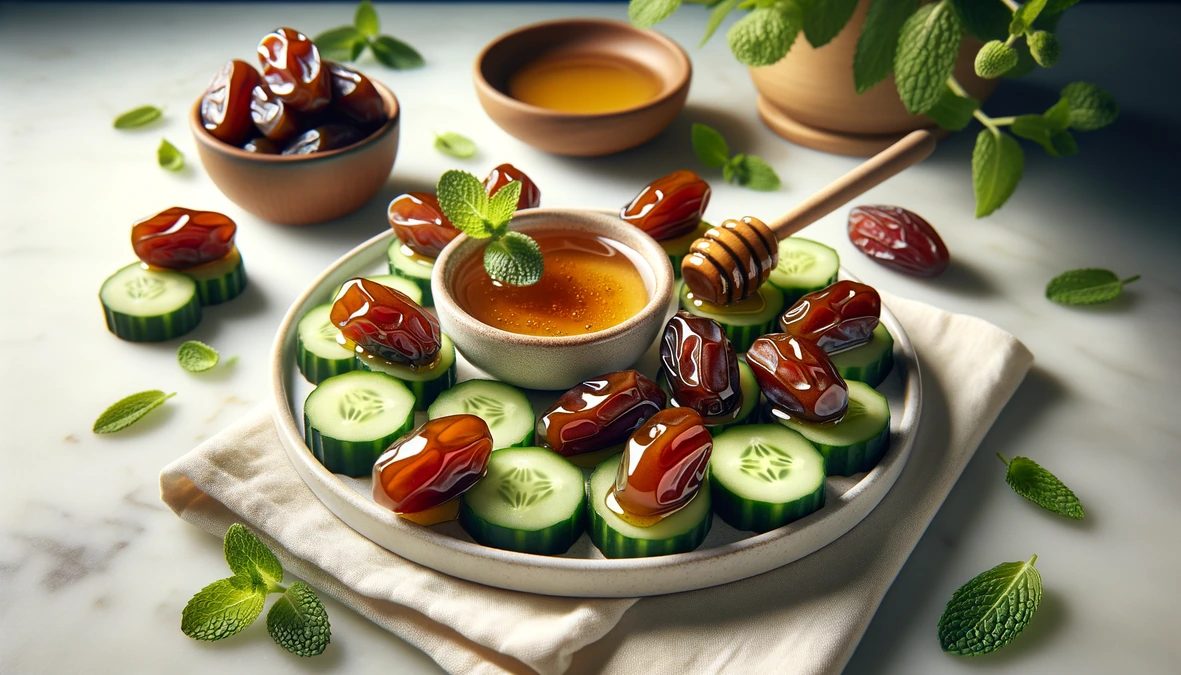
Honey-Glazed Date and Cucumber Bites Recipe
Sweet, sticky dates meet cool, crisp cucumber rounds in this refreshing Middle Eastern inspired snack that balances natural sweetness with hydrating crunch. Golden honey adds luxurious gloss whilst creating beautiful flavour harmony between earthy dates and cool cucumber.
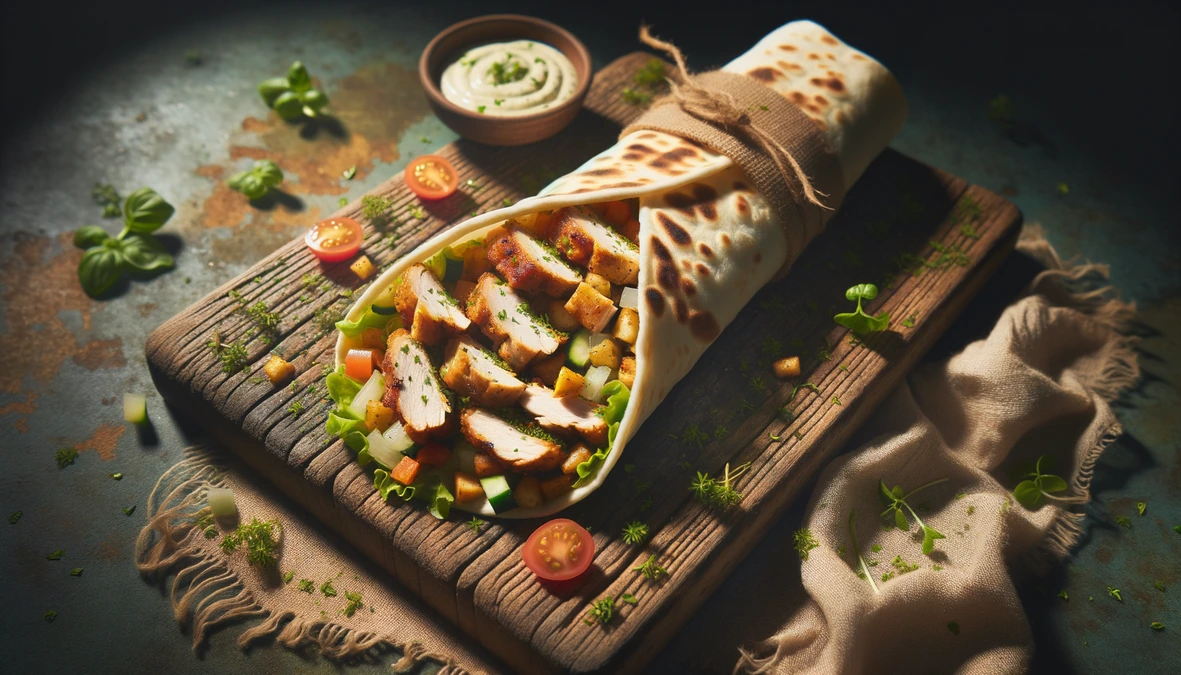
Garlic-Infused Chicken Shawarma Wrap Recipe
Tender chicken breast infused with fragrant garlic and warm spices creates an irresistible Middle Eastern-inspired wrap. Crisp vegetables and fresh herbs provide the perfect contrast, while a drizzle of extra virgin olive oil adds luxurious flavour to each bite.
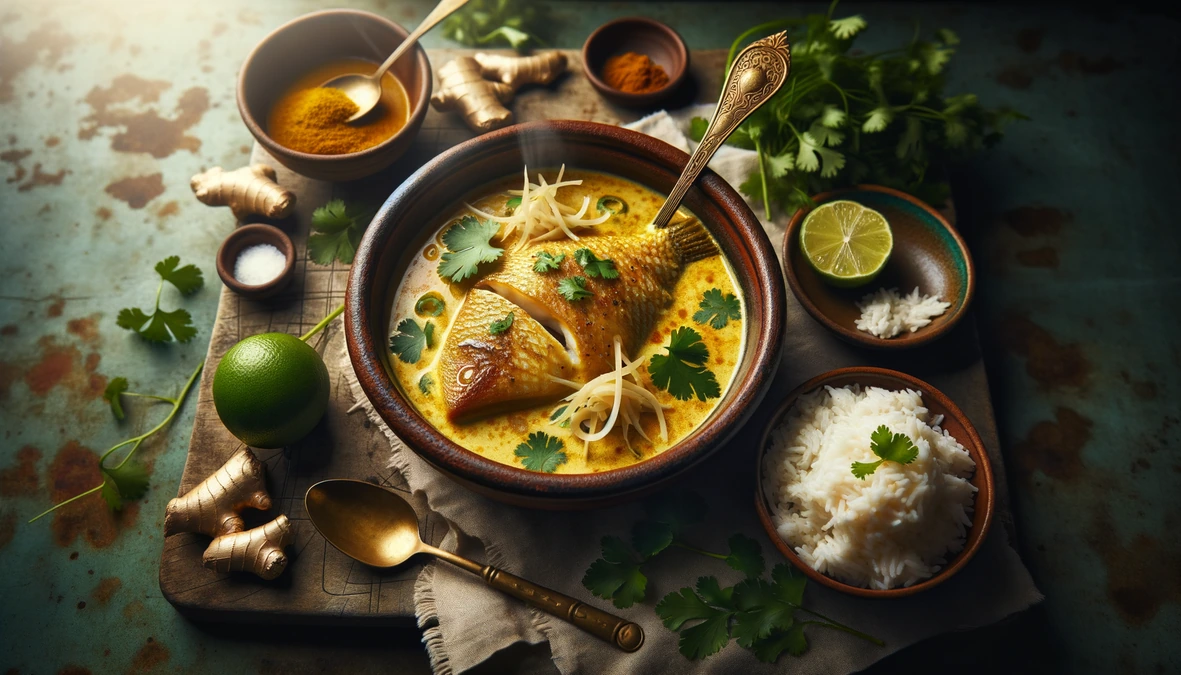
Coconut and Ginger Tilapia Curry Recipe
Flaky tilapia fillets nestle in a silky coconut sauce infused with warming ginger, aromatic spices, and fresh coriander. Each tender bite delivers layers of creamy richness balanced by zesty lime and gentle heat. Serve with fluffy basmati rice to soak up every drop.
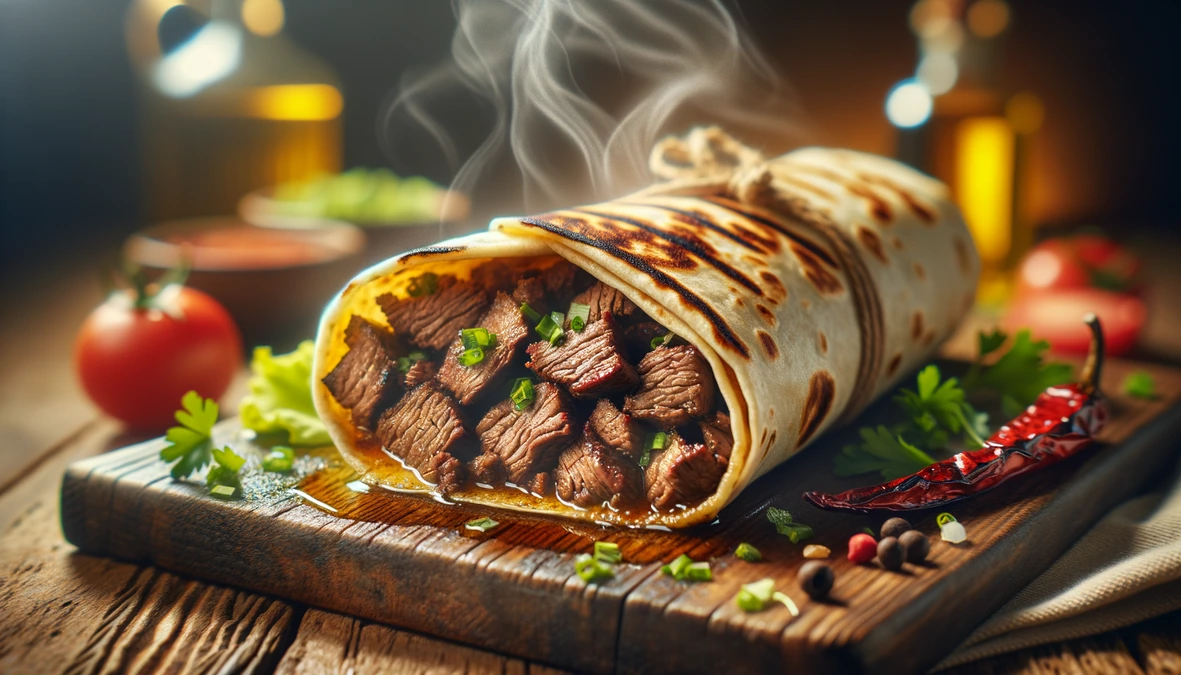
Sizzling Beef & Olive Oil Burrito Recipe
Tender strips of beef sizzle in fragrant olive oil until perfectly charred, then get wrapped in a warm tortilla with aromatic garlic and caramelised onions. The combination creates a juicy, flavour-packed burrito that's both satisfying and nourishing.
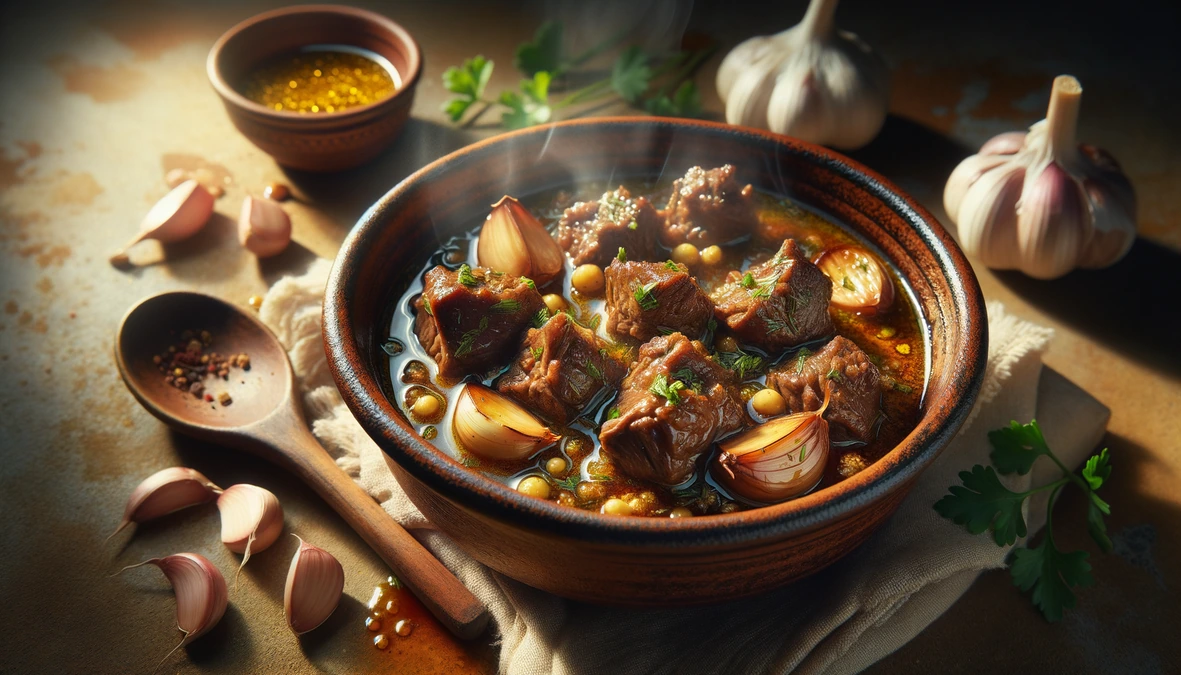
Tender Middle Eastern Lamb and Garlic Stew Recipe
Meltingly tender lamb shoulder, slow-cooked to perfection in a rich, garlic-infused broth, creates an authentic Middle Eastern feast. The aromatic olive oil and mellowed garlic lend a velvety smoothness, while fresh parsley adds a bright, herbaceous finish.
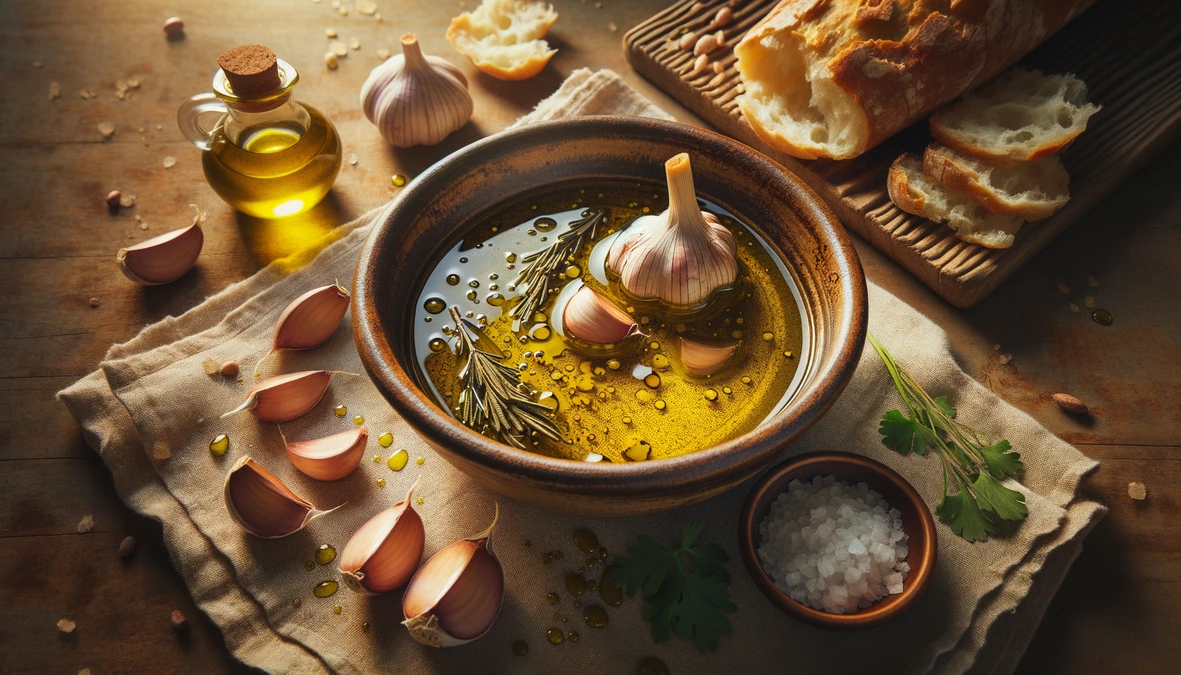
Fragrant Garlic & Olive Oil Bread Dip Recipe
Fragrant garlic and Mediterranean herbs infuse golden olive oil in this luxurious bread dipping sauce. Warm crusty bread eagerly soaks up the aromatic flavours, whilst delicate sea salt flakes add a gentle sparkle. A rustic Italian classic that delights the palate.