


Prophetic Bread and Condiment Sharing Plate Recipe
This gorgeous sharing plate celebrates the beauty of simple, wholesome ingredients with an array of artisan breads and delicious condiments that let you create your own perfect bite. Soft dates provide natural sweetness, rich honey adds golden lusciousness, while fruity olive oil and sharp vinegar offer wonderful contrast.
Ingredients
- For the bread selection:
- 3 slices whole-grain wheat bread, about 1cm thick (preferably stone-ground with visible grains)
- 3 slices barley bread, about 1cm thick (or substitute with additional whole-grain wheat bread)
- 3 slices sourdough bread, about 1.5cm thick (choose a rustic artisan loaf with good crust)
- For the condiments:
- 150g Ajwa dates, pitted and left whole (about 12-15 dates, prized for their spiritual significance and soft caramel notes)
- 4 tablespoons raw honey, preferably local wildflower or Sidr honey (about 80g)
- 60ml extra virgin olive oil, the fruitiest you can find (choose a robust, peppery variety)
- 3 tablespoons aged balsamic vinegar or red wine vinegar, about 45ml
- 80g unsalted butter, softened to room temperature for at least 30 minutes
- Optional garnishes:
- Fresh thyme sprigs, for a subtle herbal note
- Flaky sea salt, for sprinkling
- Kitchen equipment:
- Large wooden serving board or slate platter
- 4-5 small ceramic bowls or ramekins for condiments
- Sharp serrated knife for slicing bread
- Small spoons for serving
Directions
Step 1
Prepare your serving board by selecting a large wooden board, slate platter, or any beautiful flat serving dish that's at least 30cm in diameter, giving you plenty of space for arranging. Wipe it clean with a damp cloth and dry thoroughly, as this creates the perfect canvas for your sharing plate. Position it where you'll be serving, as once assembled it becomes quite full and lovely to look at. This is your foundation, so don't be shy about choosing something that makes a statement.
Step 2
Remove your butter from the fridge at least 30 minutes before assembling, allowing it to soften to a spreadable, creamy consistency that makes it easy to slather onto warm bread. Whilst the butter softens, gather all your condiments and arrange your small ceramic bowls or ramekins on your work surface. The butter should yield easily to gentle pressure but still hold its shape, reaching that perfect soft texture that feels luxurious on the tongue. If you've forgotten to soften it, you can place it near (not on) a warm hob for 5-10 minutes, checking frequently.
Step 3
Slice your breads if they haven't been pre-sliced, using a sharp serrated knife with a gentle sawing motion to avoid crushing the tender crumb. Cut the whole-grain wheat and barley breads into 1cm thick slices, and the sourdough slightly thicker at 1.5cm to showcase its beautiful open crumb structure and crispy crust. You want each slice substantial enough to hold the condiments without breaking, but not so thick that they're difficult to bite through. Arrange the bread slices in an overlapping, casual pattern in the centre of your board, alternating the varieties to create visual interest with their different colours and textures.
Step 4
Fill your small bowls with the condiments, starting with the honey in one bowl, the olive oil in another, the vinegar in a third, and placing the softened butter in the fourth bowl or directly on the board with a butter knife alongside. The honey should be at room temperature so it flows beautifully, the olive oil should look glossy and vibrant green, and the vinegar should be rich and dark. This is where the magic happens, as each condiment brings its own personality to the plate. Don't worry about being too precise with measurements; these are meant to be generous portions for sharing.
Step 5
Nestle the condiment bowls around the bread arrangement, positioning them strategically so each person can easily reach them without disrupting the beautiful presentation. Tuck the bowls into the spaces between bread slices, creating a sense of abundance and generosity. The visual contrast between the golden honey, green olive oil, dark vinegar, and pale butter against the various bread tones creates a stunning effect. Place small spoons in each bowl except the butter, which gets its own spreader or knife.
Step 6
Arrange the Ajwa dates artfully around the board, scattering them in small clusters of 2-3 dates near the condiment bowls and between bread slices. These gorgeous dates with their dark, almost black colour and wrinkled skin add both visual drama and incredible natural sweetness. Their soft, caramel-like texture makes them perfect for eating alongside the bread or pairing with butter for a traditional combination. The spiritual significance of these dates makes them extra special on your sharing plate.
Step 7
Add your optional garnishes if using, tucking small sprigs of fresh thyme into gaps on the board for a pop of green colour and subtle herbal fragrance. Place a tiny pinch bowl of flaky sea salt somewhere accessible, as a light sprinkle on the olive oil-drizzled bread or the butter creates wonderful flavour contrast. These finishing touches elevate your simple ingredients into something that feels restaurant-worthy. Stand back and admire your creation, adjusting any elements that need repositioning.
Step 8
Serve immediately whilst the bread is at its freshest and the butter is perfectly soft, encouraging everyone to create their own combinations by tearing bread and dipping, spreading, or drizzling as they fancy. Suggest classic pairings like dates with butter, bread dipped in olive oil and vinegar, or honey drizzled over any of the breads for sweetness. The joy of this plate is in the discovery, letting each person explore the flavours and textures that speak to them. This is food that brings people together, encouraging conversation and connection over simple, wholesome ingredients that have nourished people for centuries.
Nutrition per serving
Sunnah
Learn simple practices and etiquettes found in the tradition that transform every meal into an act of worship, increase you in beneficial knowledge and add barakah into every bite.
Sacred Guidance
Bread
Messenger of Allah (ﷺ) had never seen bread made out of fine flour throughout his life, since Allah commissioned him until his death. He was asked, 'Did you not have sieves at the time of the Messenger of Allah?' He replied, 'Messenger of Allah (ﷺ) never saw a sieve.' He was asked, 'How did you manage to eat barley bread made of unsieved flour?' He said, 'We used to ground it and then blew away the husk, and what remained we kneaded into dough.'
Butter
The Prophet ﷺ liked butter and dates.
Barley
The Messenger of Allah ﷺ would spend many consecutive nights and his family did not have supper, and most of the time their bread was barley bread.
Dates
The Messenger of Allah ﷺ used to break his fast before praying with some fresh dates; but if there were no fresh dates, he had a few dry dates, and if there were no dry dates, he took some mouthfuls of water.
Olives
And He is the One Who sends down rain from the sky—causing all kinds of plants to grow—producing green stalks from which We bring forth clustered grain. And from palm trees come clusters of dates hanging within reach. There are also gardens of grapevines, olives, and pomegranates, similar in shape but dissimilar in taste. Look at their fruit as it yields and ripens! Indeed, in these are signs for people who believe.
Olive Oil
Eat olive oil and use it on your hair and skin, for it comes from a blessed tree.
Vinegar
What an excellent condiment vinegar is.
Honey
There is healing in three: a drink of honey, cupping, and cauterization with fire, but I forbid my nation from cauterization.
Prophetic Etiquette
Sit down to eat, rather than eating while standing or walking.
Eat from what is nearest to you on the plate, and do not reach across for food that is distant.
Take small morsels of food, and chew your food well.
Do not blow on hot food or drinks; allow them to cool naturally.
Do not eat or drink from gold or silver utensils.
Lick your fingers clean before wiping them, as there may be barakah in what remains on them. Then wash your hands.
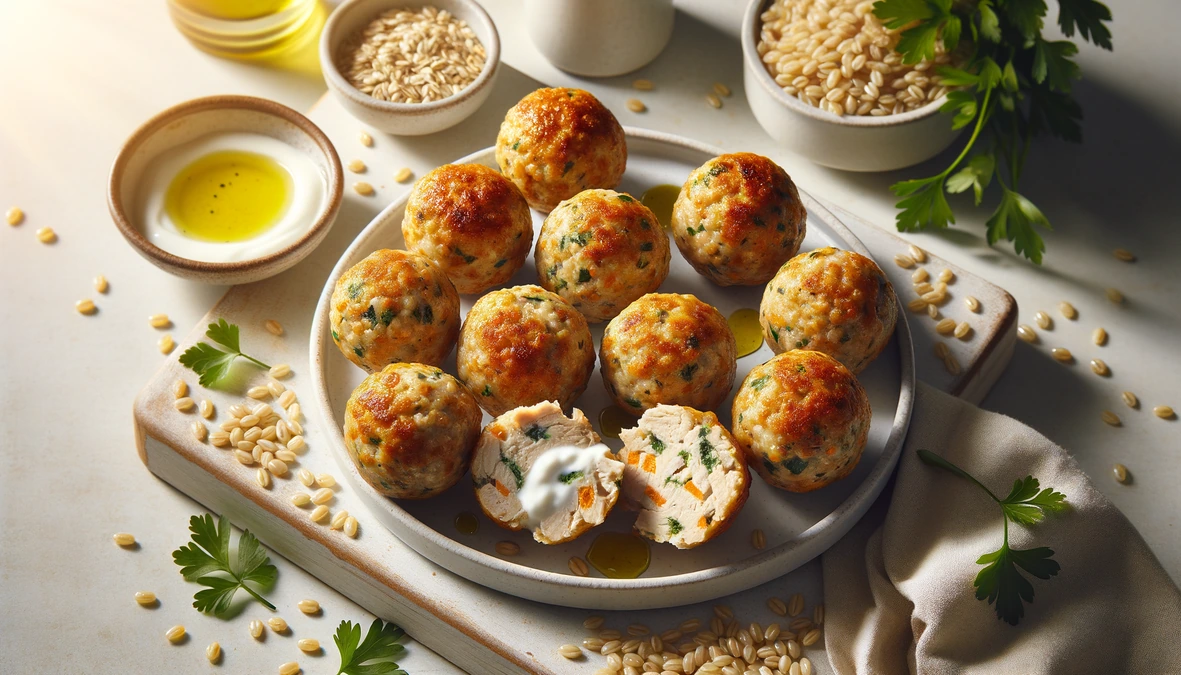
Quick Protein-Packed Chicken & Barley Energy Bites Recipe
Tender chicken and nutty pearl barley unite in these golden, herb-flecked bites that deliver satisfying protein with every mouthful. Aromatic garlic, warm cumin and fresh herbs create a flavourful snack that's perfect for lunchboxes or post-workout fuel.
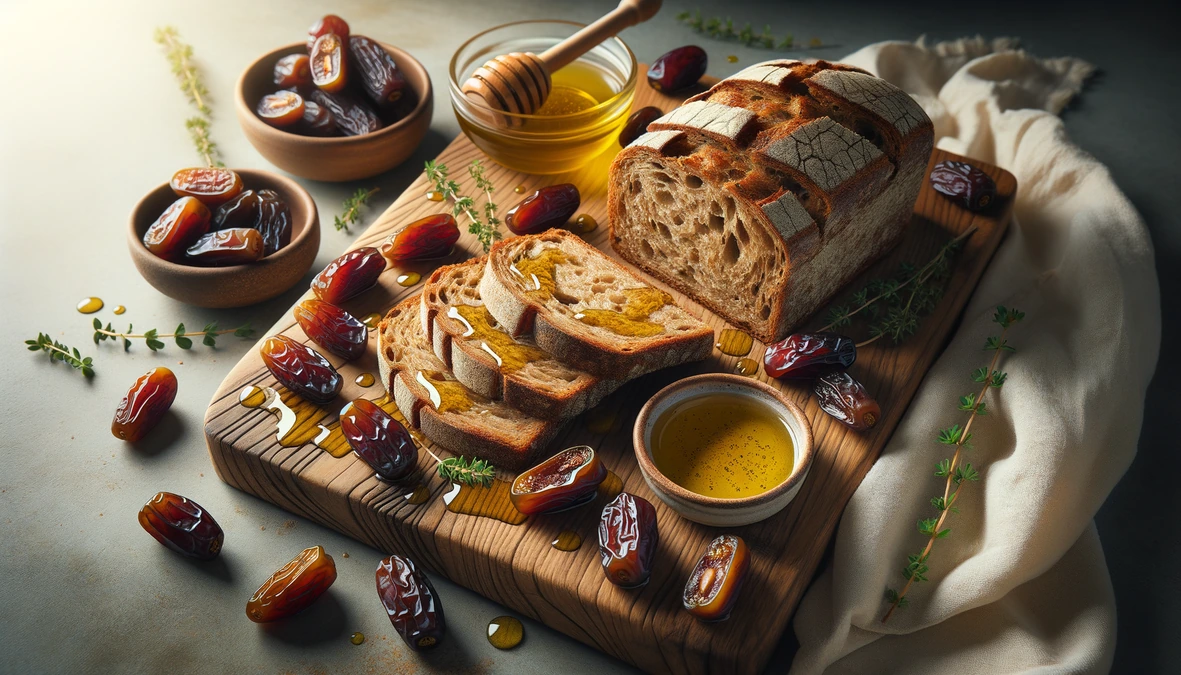
Whole Grain Wheat Bread with Dates, Honey and Olive Oil Recipe
Toasted whole grain bread becomes a canvas for nature's sweetness when drizzled with golden honey and topped with plump Ajwa dates. The fruity richness pairs beautifully with peppery olive oil, whilst a whisper of sea salt elevates every caramelised bite.
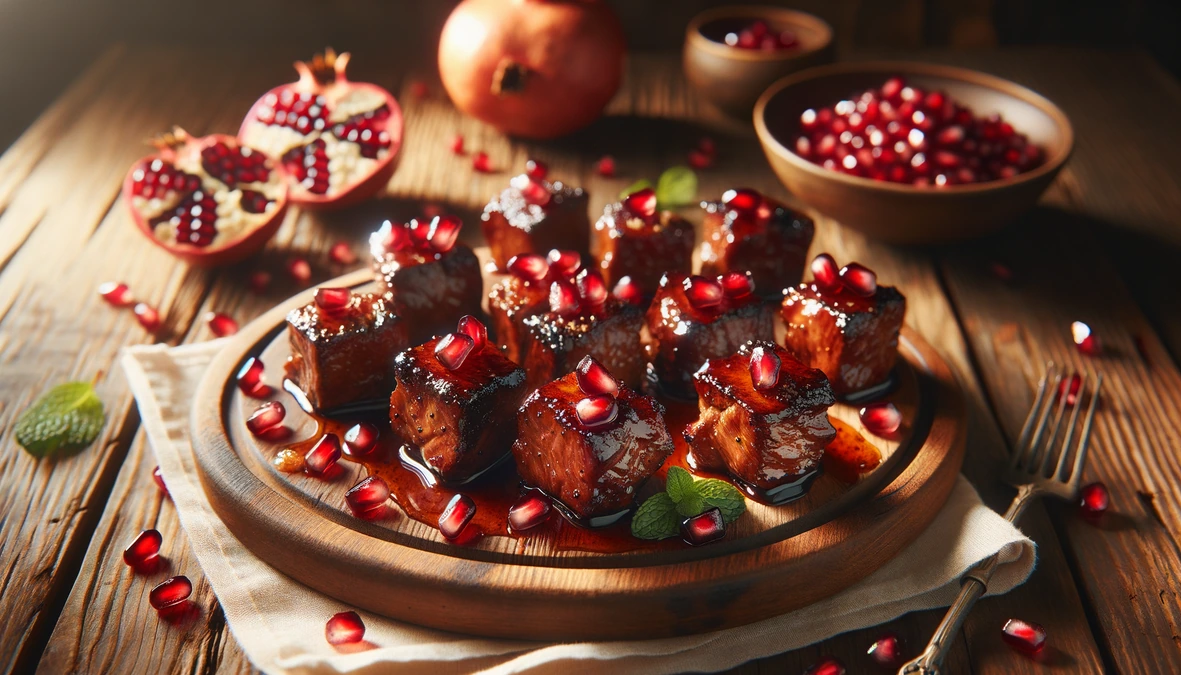
Pomegranate-Glazed Lamb Bites Recipe
Tender lamb cubes caramelised to perfection, then coated in a glossy honey-pomegranate glaze that brings sweet, tangy, and savoury notes together beautifully. Each bite delivers succulent meat with jewel-like pomegranate seeds adding fresh bursts of flavour.
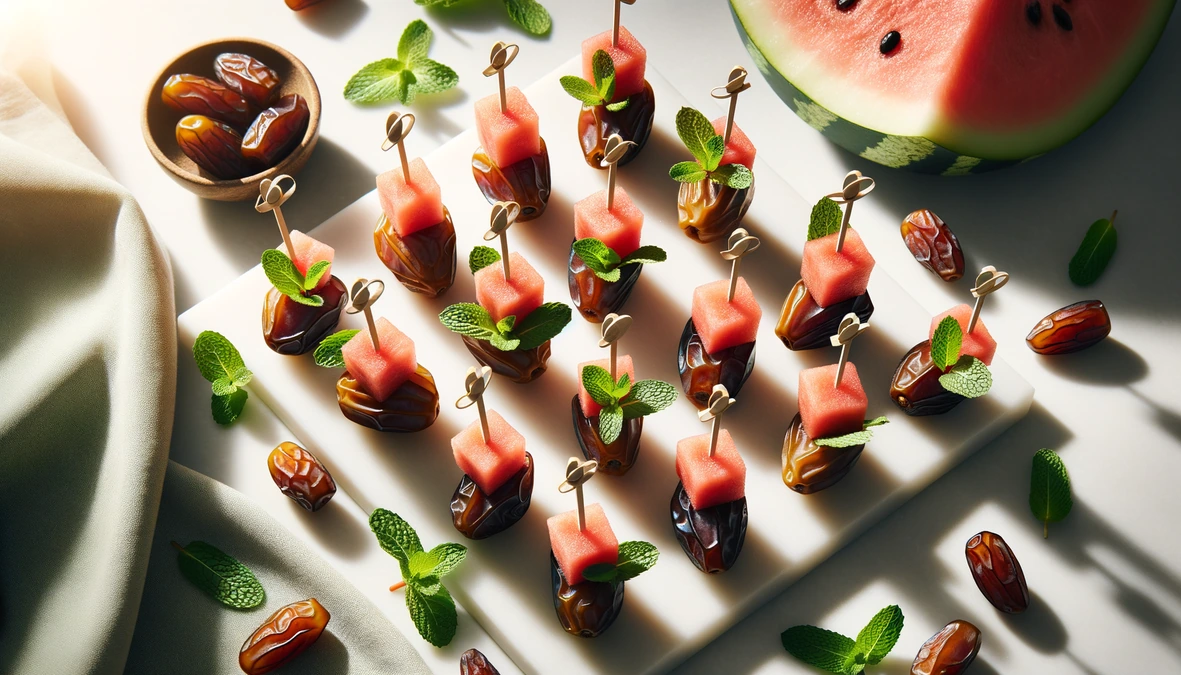
Wet Date and Watermelon Cooling Bites Recipe
Sweet, succulent dates meet refreshingly crisp watermelon in these stunning little bites that burst with natural sugars and hydrating juice. The chewy caramel richness of dates contrasts beautifully with cool, juicy watermelon creating the perfect balance.
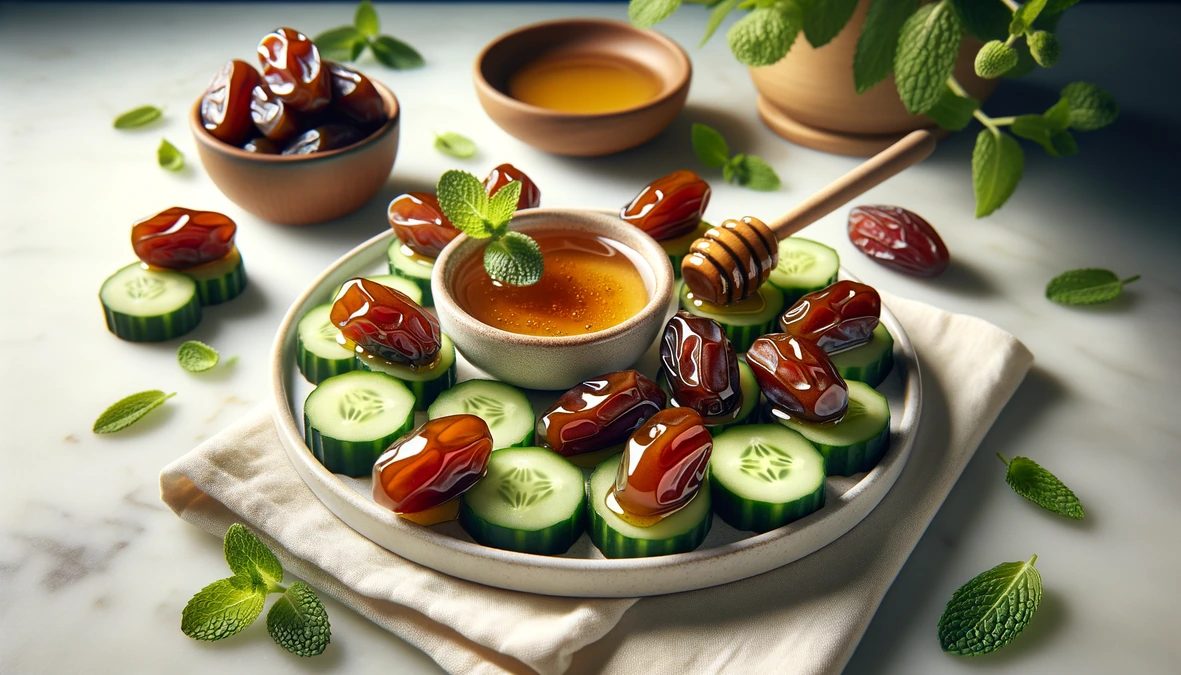
Honey-Glazed Date and Cucumber Bites Recipe
Sweet, sticky dates meet cool, crisp cucumber rounds in this refreshing Middle Eastern inspired snack that balances natural sweetness with hydrating crunch. Golden honey adds luxurious gloss whilst creating beautiful flavour harmony between earthy dates and cool cucumber.
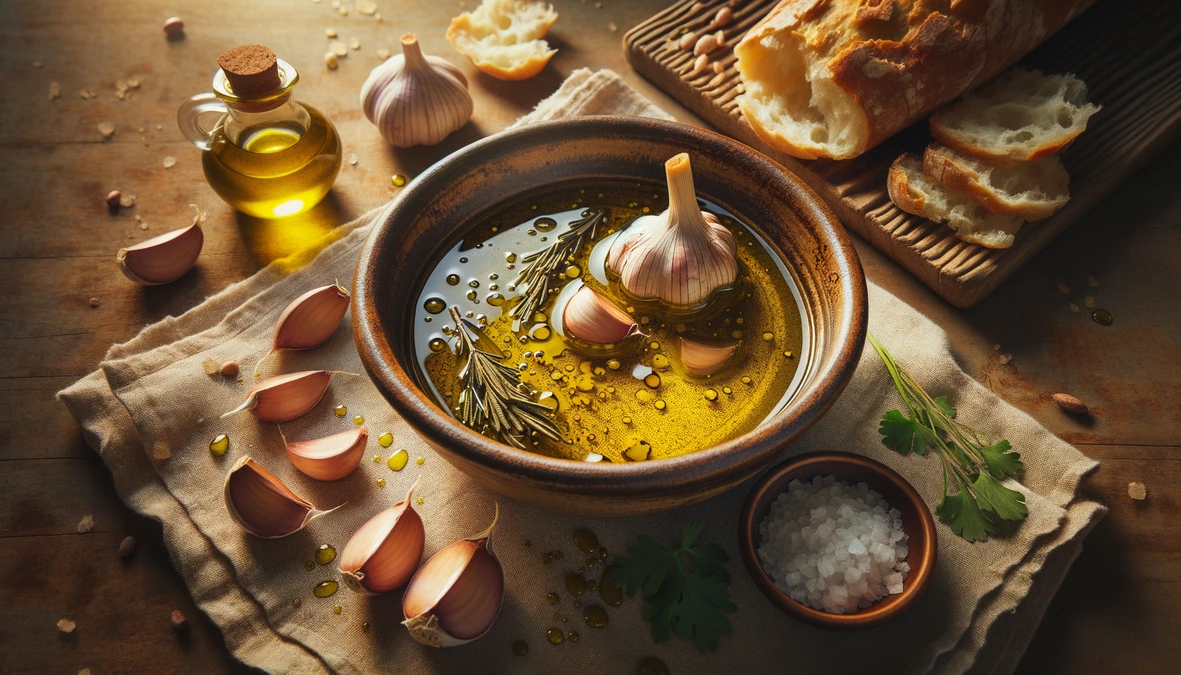
Fragrant Garlic & Olive Oil Bread Dip Recipe
Fragrant garlic and Mediterranean herbs infuse golden olive oil in this luxurious bread dipping sauce. Warm crusty bread eagerly soaks up the aromatic flavours, whilst delicate sea salt flakes add a gentle sparkle. A rustic Italian classic that delights the palate.